

Although one third of what we consume depends on bee pollination, we often pay little attention to these insects. However, in the middle of the severe drought affecting the Ecuadorian highlands, especially in Quito, this issue becomes critical: access to water is vital for the survival of their colonies.
Bees do not only drink water to satisfy their thirst; water is also a key tool for engineering and climate control inside the hive. During dry seasons, when natural sources decrease, this resource becomes even more important to maintain the internal balance of the colony and protect new generations.
- Temperature regulation: on extremely hot days, bees spread droplets over their honeycombs and fan their wings. As the water evaporates, it creates a vital cooling effect that helps protect the brood.
- Feeding: they dilute dense or crystallized honey to make it easier for larvae to digest.
- Hydration: water is essential to keep their biological functions active.
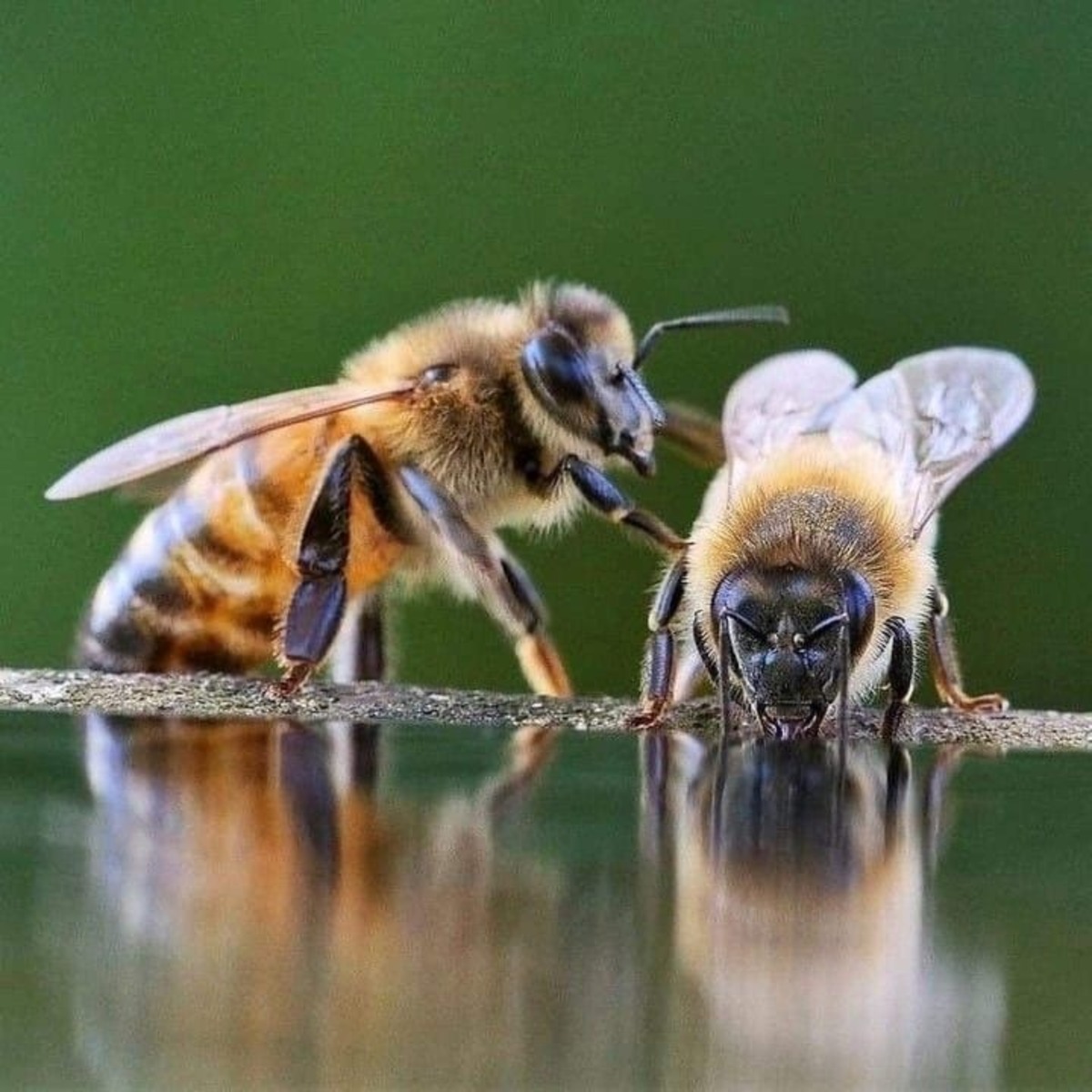
Where Do Bees Get Water and What Happens During Drought?
Naturally, bees obtain water from morning dew, puddles, riverbanks, and flower nectar. They can also find moisture on leaves, wet soil, or small accumulations of water after rainfall.
However, due to the current drought, many natural sources have dried up. When this happens, bees are forced to look for water near homes, gardens, or patios. That is why they may approach pet water bowls, buckets, swimming pools, or deep containers.
Although these places may seem like a solution, they can also be dangerous. If the container is too deep or does not have a surface where bees can land, bees and other insects may fall into the water and drown.
The lack of water also forces bees to travel longer distances. This increases their energy expenditure and can affect the daily work of the colony, especially during the hottest days.
How Can We Help?
We can place small, shallow dishes with water and add stones or branches around the edges so bees and other insects can land safely without the risk of drowning. Ideally, the container should have firm surfaces where they can rest while drinking.
It is also important to replace the water frequently to prevent mosquitoes, dirt, or the accumulation of microorganisms. A simple water source can become a safe place for hydration during the driest days.
If you have a garden, balcony, or terrace, you can also help by keeping flowering plants and shaded areas. Native species are especially valuable because they provide food and shelter for pollinators and other forms of urban wildlife.
The small birds in our gardens will also appreciate it. During dry seasons, many species depend on these water points to stay hydrated, cool down, and better withstand high temperatures.
A Small Action for Urban Biodiversity
Caring for bees during the dry season is a simple but valuable action to protect pollination and urban biodiversity. These insects play an essential role in ecosystems because they help many plants reproduce and contribute to the balance of both natural and urban spaces.
Sometimes we think that wildlife conservation requires large actions, but it can also begin with simple decisions: placing clean water, avoiding dangerous containers, planting suitable species, and sharing responsible information with others.
In a drought context, every safe hydration point can make a difference for bees, other insects, and small birds that live alongside us.
At El Jardín Alado, we invite you to support wildlife conservation through our donations page or by becoming a volunteer. Your contribution helps strengthen education, care, and biodiversity protection efforts.


