

It’s likely that when people hear the term wildlife rescue, they don’t fully understand the technical and human complexity behind it. Far from being a simple or isolated action, wildlife rescue is a structured process designed to intervene when an animal’s physical integrity or survival is at risk due to external factors.
It’s not just about “picking up” an animal; wildlife rescue involves a series of critical steps:
Key Stages of Wildlife Rescue
- Assessment and evaluation: The first step is determining whether the animal truly needs help. This includes evaluating visible injuries, confirmed orphaning, or displacement from its natural habitat. It’s essential to distinguish between illegal wildlife trafficking cases and natural situations—such as young animals learning to fly or hunt—where human intervention could do more harm than good.
- Containment and capture: Specialized equipment (nets, gloves, carriers) is required to minimize stress and prevent injury during handling. This also protects rescuers from potential attacks or zoonotic diseases.
- Immediate stabilization: This phase involves providing first aid to address dehydration, shock, or other urgent conditions before transferring the animal to a specialized facility.
- Transfer to specialized centers: The animal is then taken to authorized wildlife rescue centers with the expertise and infrastructure needed to carry out species-specific rehabilitation processes, such as Jardín Alado in Ecuador.
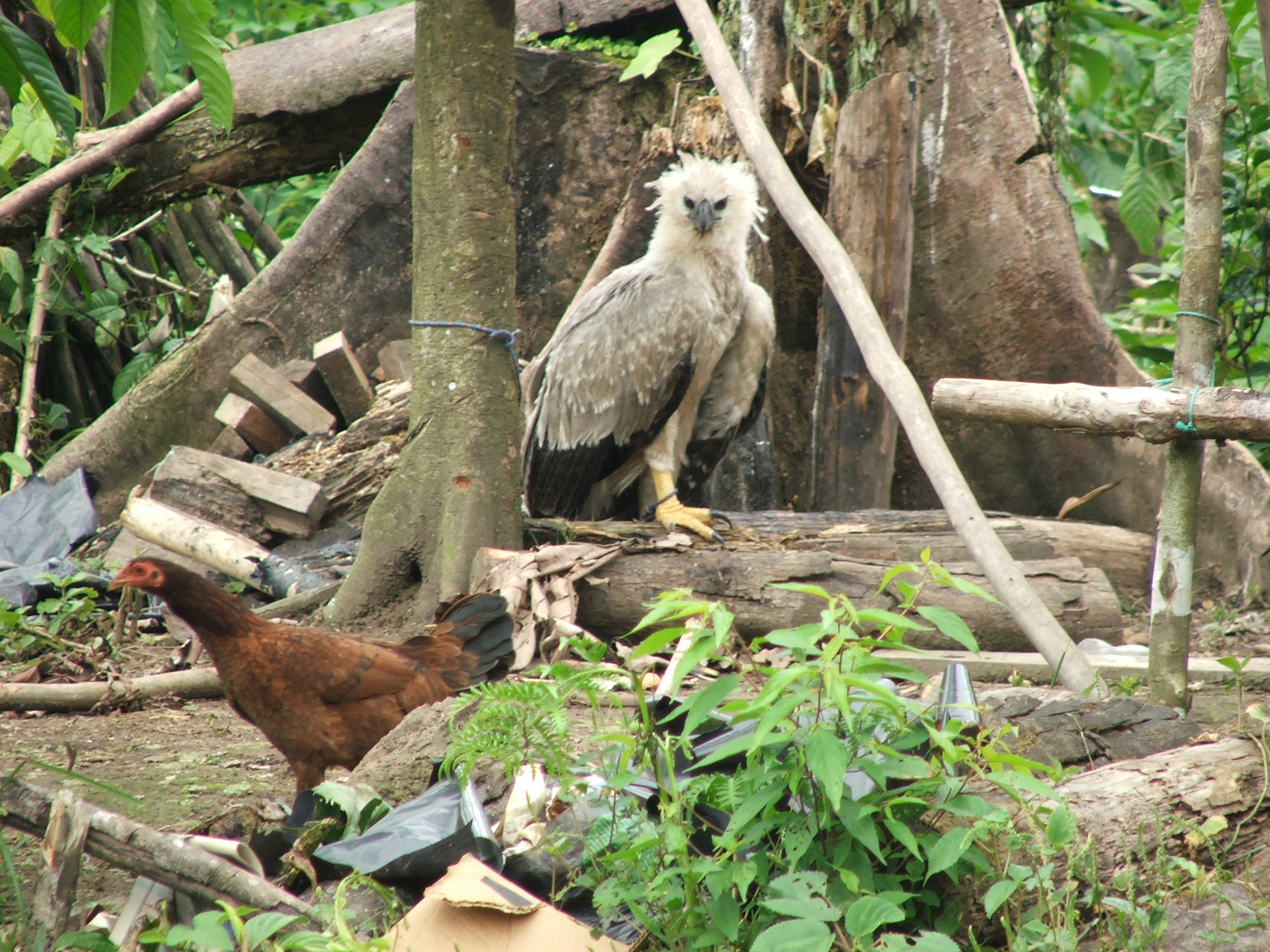
The Road to Recovery
Once veterinary teams stabilize the animal, the rehabilitation process begins, typically structured around three core pillars:
- Physical rehabilitation: Restoring body condition and treating injuries such as fractures or amputations.
- Behavioral rehabilitation: Ensuring the animal retains its natural instincts—hunting, seeking shelter, and avoiding humans. Animals that become too accustomed to human interaction often cannot survive in the wild. One of the greatest challenges here is imprinting, a psychological condition caused by inappropriate human contact.
- Release or relocation: The ultimate goal is to return the animal to a suitable natural habitat. However, if the damage is irreversible, the animal may enter environmental education programs in semi-free conditions that prioritize its well-being.
Why Wildlife Rescue Matters
Wildlife rescue is not only an act of compassion—it has broader implications:
- Ecological and public health impact: Rehabilitating animals, especially key species like birds of prey or large mammals, plays a crucial role in maintaining biodiversity and ecosystem balance, including pest control and seed dispersal.
- Legal and ethical considerations: In Ecuador, wildlife is considered state property, and unauthorized rescue efforts are illegal. Ethically, all actions must prioritize the animal’s welfare, including difficult decisions such as humane euthanasia when a dignified life is no longer possible.
- Logistical and economic challenges: Wildlife rescue requires ongoing resources—specialized diets, medical care, facility maintenance, and trained professionals with expertise in wildlife biology and behavior, which differ significantly from domestic animal care.


