

Keeping a wild parrot at home in Ecuador involves legal and animal welfare responsibilities. Receiving a bird as a gift or caring for it for years does not make it a domesticated animal or establish that keeping it is lawful.
It is still a familiar scene in many Ecuadorian homes: a family receives a parrot, parakeet or macaw as a gift and makes it part of everyday life. Yet behind the colorful feathers and ability to imitate words lies a legal and ecological reality very different from that of a dog or cat.
Whether you already have a parrot, are considering acquiring one or want to understand Ecuador’s environmental rules, this guide explains what to check and how to act in the bird’s best interests.
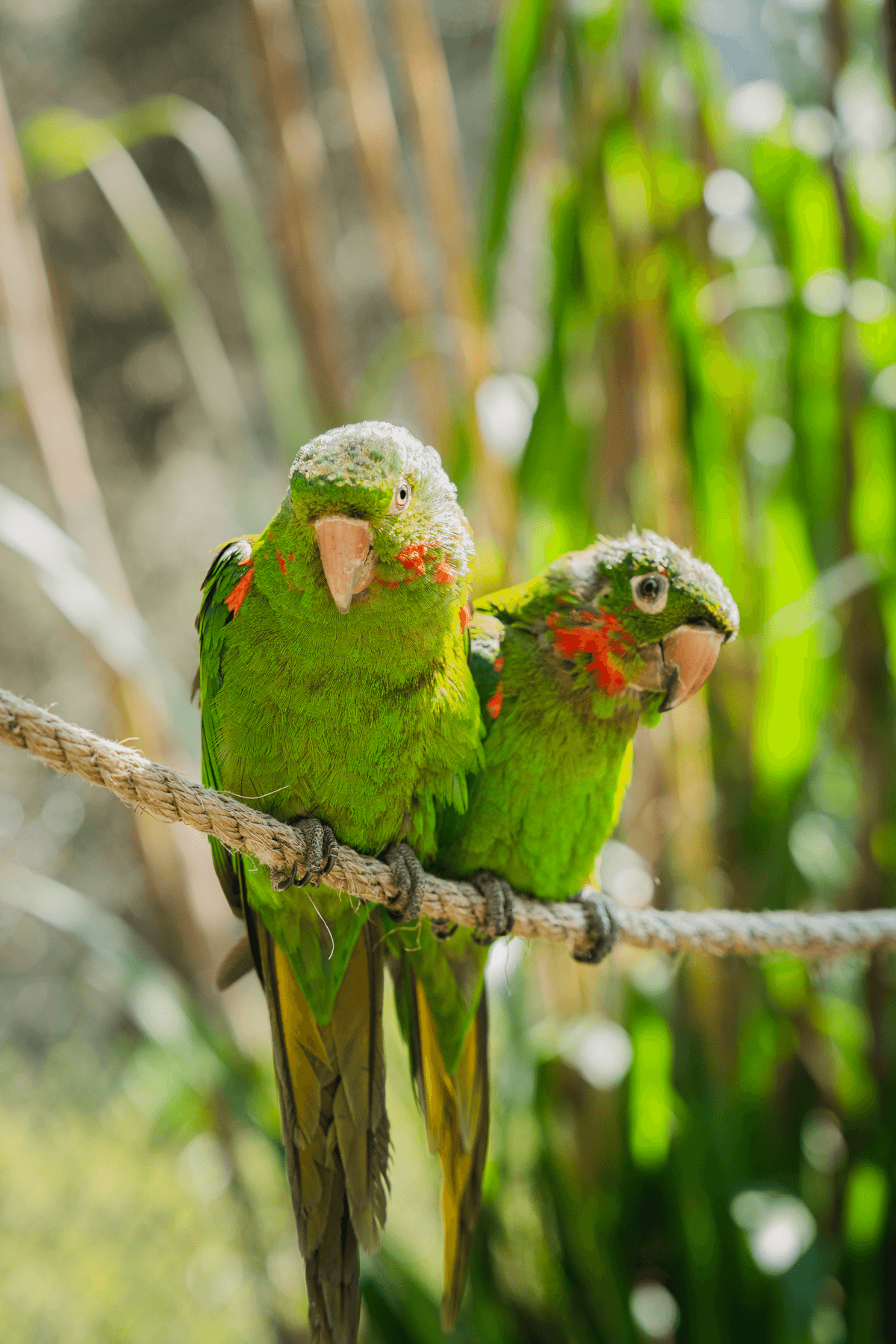
Wild animals are different from domesticated animals
The first step is to understand a fundamental distinction:
Domesticated animals: dogs, cats and other species that have undergone domestication over many generations.
Wild animals: species that retain their wild characteristics, even when an individual was born in captivity or has become accustomed to people.
The parrots and macaws found in Ecuador’s forests are wildlife. Removing them from nature to keep as pets affects wild populations and may breach environmental and criminal law.
What Ecuador’s environmental code establishes
Article 147 of the Código Orgánico del Ambiente (COA), Ecuador’s environmental code, includes prohibitions on breeding, keeping and selling native or exotic wildlife, subject to the Code’s provisions. Authorized wildlife management serves specific purposes and conditions; it is not general permission to keep wild pets.
A receipt does not establish legality on its own
Do not assume that an invoice, a seller’s certificate or a social media listing authorizes possession of a wild parrot. The documents, species and origin should be checked with the competent environmental authority.
Captive birth does not make a bird domesticated
Being born in captivity does not, by itself, establish that private possession is authorized. Before acquiring a bird, ask which rules and permits apply to its species and the specific circumstances.
Legal consequences of unlawful wildlife possession
Article 247 of the Código Orgánico Integral Penal (COIP), Ecuador’s criminal code, provides for one to three years in prison for the conduct it defines involving species protected under national lists or international instruments ratified by Ecuador. This includes capture, possession, transport and trade, among other acts.
Liability and sentencing depend on the facts, species and proven circumstances. The same sentence should not be assumed to apply automatically to everyone who has a bird.
In addition to any applicable criminal consequences, fines and administrative measures may apply according to the infringement. Authorities may take the animal into custody and arrange assessment and specialized care.
The impact of keeping wild parrots in captivity
Beyond legal penalties, keeping a wild parrot in a home can affect both the animal and its natural environment.
Illegal wildlife trade
Demand for pet birds encourages their removal from the wild and illegal trade. Capture, transport and overcrowding can cause injury, stress and death. Buying a bird to “rescue” it can also sustain the financial incentive for sellers.
Health and nutrition problems
A diet based mainly on sunflower seeds, rice or human food scraps may be inadequate. Unbalanced diets contribute to nutritional deficiencies and obesity. Feeding and any dietary changes should reflect the species’ needs and receive veterinary guidance.
Social and behavioral needs
Parrots are intelligent, social and long-lived birds; some species live for decades. Isolation, limited space and a lack of opportunities to fly, explore and forage can compromise their welfare. Feather plucking or self-injury needs professional assessment because it can have several causes.
What to do if you already have a parrot at home
If you inherited a parrot or have kept one for years, contact the environmental authority or environmental police for guidance on arranging voluntary surrender and understanding the applicable procedure.
Contact authorities before moving the bird: explain where it is and ask how to arrange its reception or an official response.
Share its history: time in captivity, diet, known illnesses and available documents can help with assessment.
Do not release it yourself: release without assessment can put the bird and other wild populations at risk.
Do not sell it or give it away: request official handling instructions. If it is injured or there is immediate danger, contact ECU 9-1-1.
Parting with an animal you care about can be painful, but its future should be determined through professional assessment. Rehabilitation and any eventual release depend on health, behavior and survival skills; some individuals need permanent specialized care.


