

Although forests may appear green and full of life, many are silently dying because their animals are disappearing. This phenomenon is technically known as defaunation, a process that is already evident in different parts of the planet.
Defaunation describes the drastic reduction of many vertebrate and invertebrate populations, as well as the loss of their functions in nature. In other words, it is not only about having fewer animals, but about ecosystems beginning to lose the balance they need to remain alive.
Why Is Defaunation So Serious?
The disappearance of wildlife has deep consequences for ecosystems. Some of the main reasons include:
1. The Appearance of Zombie Species
Zombie species are animals that still exist, but whose populations are so low that they no longer fulfill their true ecological role.
For example, a species may still be present in a forest, but if there are too few individuals, it can no longer disperse seeds, control populations, or actively participate in the natural processes that sustain the ecosystem.
2. Impact on Vegetation
Without animals to disperse seeds, the composition and structure of forests change. Over time, forests stop regenerating properly.
This means that a forest can still be standing, but slowly losing its ability to renew itself, grow, and support the diversity of species that depend on it.
3. Risks to Human Health
Defaunation can also have consequences for people. When certain animals disappear, such as predators, rodent populations may increase. These animals are among the main carriers of diseases that can be transmitted to humans, known as zoonoses.
For this reason, wildlife loss is not only an environmental issue: it is also connected to public health and community well-being.
Illegal Wildlife Trade as a Driver of Defaunation
In this context, illegal wildlife trade is undoubtedly one of the main drivers of defaunation. Although the numbers are alarming, they are often not understood with the urgency they require.
It is estimated that, since 1970, the world has lost 68% of its wildlife due to human pressure and the accelerated emptying of habitats.
In Latin America and the Caribbean, the situation is even more critical: vertebrate populations have recorded an alarming average decline of 94% to 95% over the last five decades, making the region one of the most affected by this decline.
An Illegal Network That Continues to Empty Ecosystems
Daily news reports, as well as regional monitoring by organizations such as WCS, the Wildlife Conservation Society, in the Andean-Amazon region, show that thousands of live specimens continue to be seized.
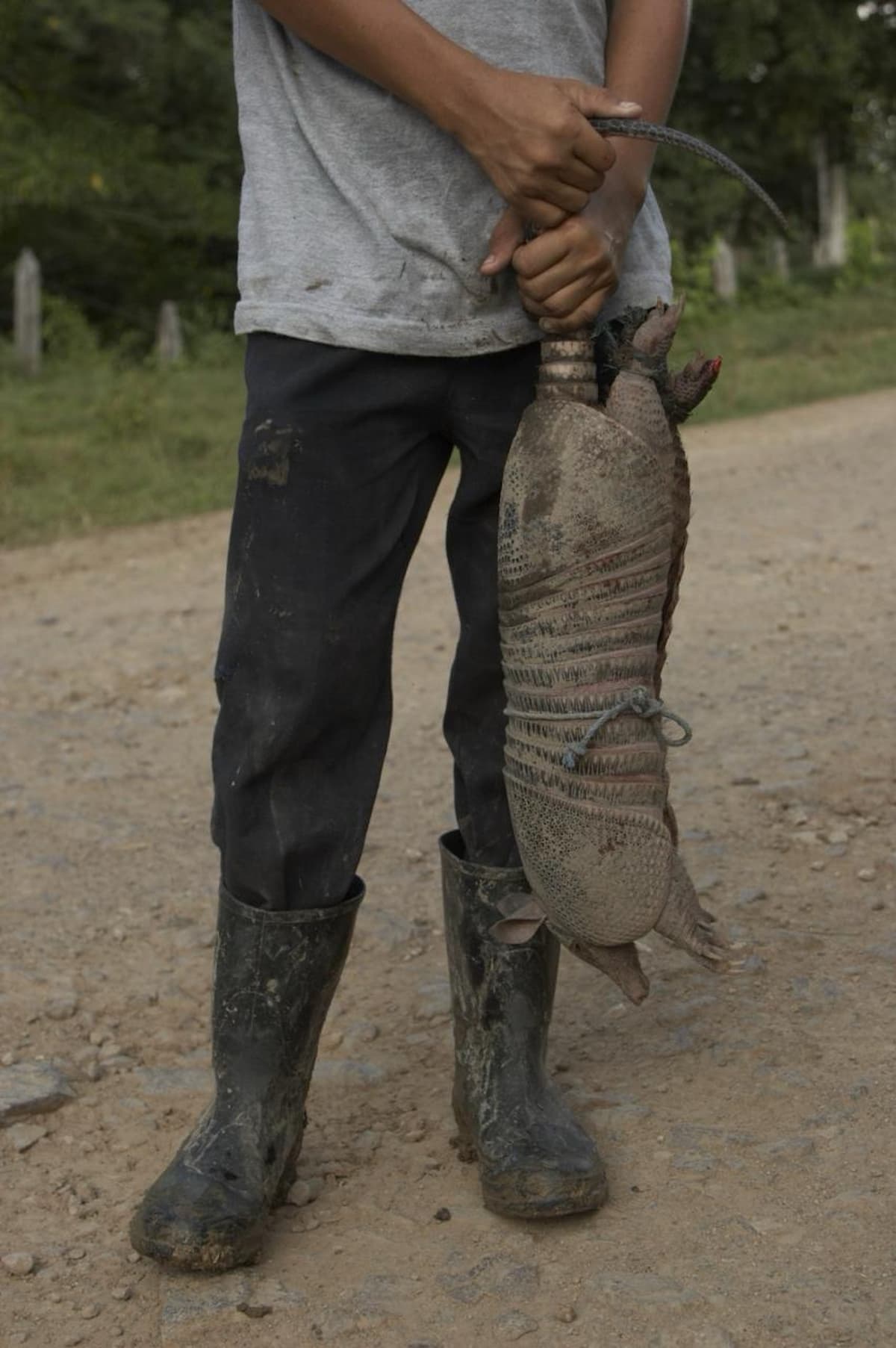
Birds, mammals, reptiles, and invertebrates are removed from their habitats and destined for the illegal pet market, private collections, or consumption as bushmeat. This reality reflects a multimillion-dollar transnational illegal trade network that continues to operate with a high level of impunity.
Protecting Wildlife Means Protecting Forests
Talking about defaunation means understanding that a forest is not complete simply because it still has trees. It also needs birds, mammals, reptiles, insects, and other species that perform essential functions to keep it alive.
When animals disappear, forests lose their voices, movement, balance, and future.
That is why addressing defaunation requires strengthening environmental education, supporting wildlife conservation, and rejecting all forms of illegal wildlife trade.
Protecting wildlife means protecting the health of ecosystems and the future of our forests.


