

Myths and Facts About Owls in Ecuador
Night falls over the valleys and the outskirts of Ecuadorian cities, and with it awaken the silent rulers of the dark. With their large, fixed eyes, nearly silent flight, and mysterious calls, owls have fascinated and sometimes frightened people since ancient times.
In Ecuadorian popular imagination, these nocturnal birds of prey (members of the order Strigiformes) carry the weight of urban legends and rural beliefs. For many, hearing their calls in the darkness means a bad omen, bad luck, or even a warning of death.
But how much truth is there in these beliefs? Let’s set aside our fears of the night and discover the fascinating biology of owls in Ecuador.
Common Myths About Owls in Ecuador
Myth 1: “If an owl calls near your house, tragedy or death is coming”
The belief: This is one of the most deeply rooted myths in both Andean and coastal traditions. People sometimes interpret the nighttime call of an owl as a sign of misfortune.
What science tells us: No nocturnal bird has a supernatural ability to predict the future or death. Owls call for natural reasons: to mark territory, attract mates, or communicate with others of their species. If an owl perches near a home, it is often because the area provides prey, shelter, or suitable hunting spots. There is no dark omen just urban and rural ecology.
Myth 2: “Barn owls bring bad luck or are witches in disguise”
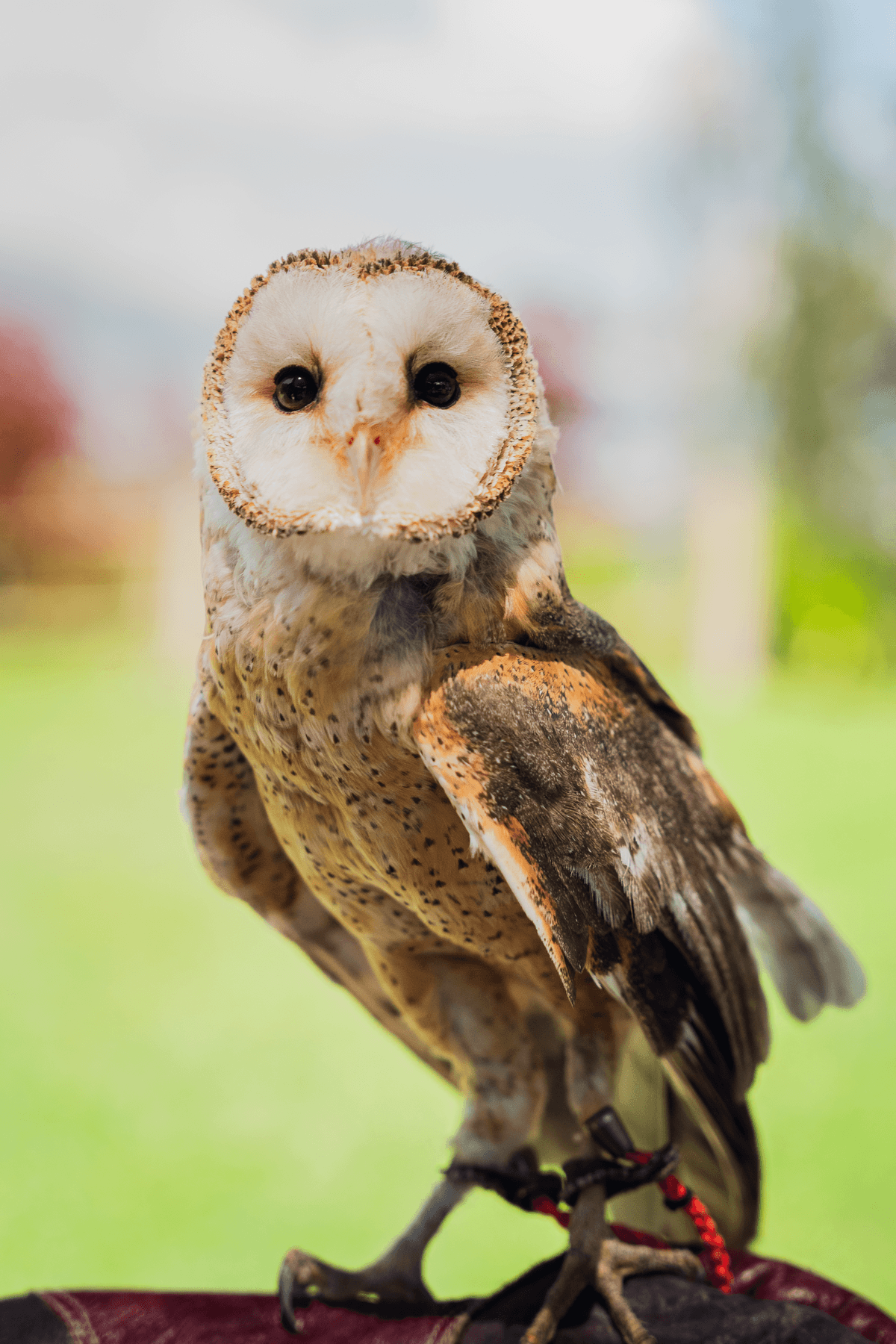
The belief: In many rural communities, the barn owl (Tyto furcata, formerly included in Tyto alba) known for its heart-shaped face and pale plumage has historically been associated with witchcraft, evil spirits, or illness. Its piercing cries and habit of occupying old buildings, church towers, or tree cavities near settlements have helped sustain these stories.
What science tells us: Far from being mystical or malevolent creatures, barn owls are valuable allies to people. Their presence near farms and rural homes can bring important ecological benefits, as we’ll see below.
Myth 3: “Owls are clumsy or blind during the day”
The belief: Because people rarely see owls in daylight, some assume they are disoriented or cannot see at all.
What science tells us: Although their eyes are highly adapted to hunting in low light, owls can see during the day. Many species prefer to rest while camouflaged in foliage, reducing disturbances and harassment from other birds.
The Remarkable Reality: Predators and Silent Guardians
Beyond the myths, the ecological reality of owls in Ecuador is fascinating. The country is home to dozens of owl species, from tiny pygmy-owls to the imposing great horned owl and the remarkable crested owl of tropical forests.
Here are three scientific facts that show why these birds are treasures of Ecuador’s biodiversity:
1. They are important natural pest controllers
A barn owl can hunt many rodents (mice and rats) throughout the year; other owl species also feed on large insects and some agricultural pests.
Rather than fear them, farmers should help protect them. Owls are valuable partners in biological rodent control, help protect crops, and may reduce reliance on poisons or chemical rodenticides that can harm other animals.
2. They have remarkable adaptations for flight and hearing
Quiet flight: Many owls have specialized feather edges (such as fringes or comb-like structures) that help reduce noise in flight. This allows them to approach prey with very little sound.
Asymmetrical ears: Some species have ears positioned at slightly different heights on the head. This helps them pinpoint sounds with remarkable accuracy and hunt even in darkness, guided by the faint rustle of a mouse beneath fallen leaves.
3. They can reveal clues about forest health
Because of their role in nocturnal food webs, stable owl populations especially forest specialists can provide clues about ecosystem health, prey availability, and habitat conservation.


